Garage Floors & Epoxy Coatings
Transform your garage floor into a durable, attractive surface that resists stains and cleans up easily.
Why Coat Your Garage Floor
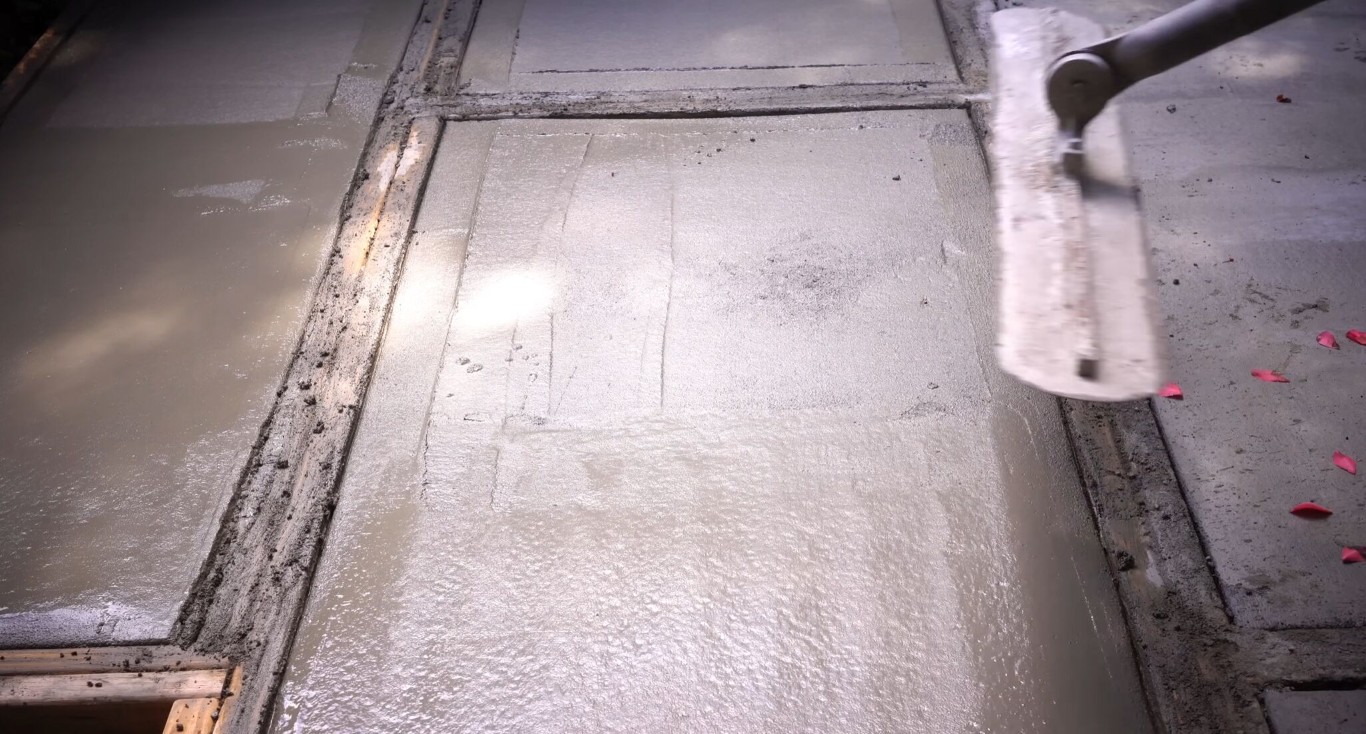
Most garage floors start as bare concrete. That works fine for storing your car, but bare concrete has some downsides. It absorbs oil and other fluids, stains easily, gets dusty, and looks industrial rather than finished. Adding a coating changes all that.
A coated garage floor is much easier to clean. Spills sit on the surface instead of soaking in. You can wipe up oil, antifreeze, and other fluids without leaving permanent stains. Even road salt and dirt wash away easily with a hose or mop.
Coatings also protect your concrete. They seal the surface against moisture and chemicals. This is especially important in Oklahoma where we use road salt in winter. Salt can deteriorate unprotected concrete over time. A good coating prevents that damage.
Then there is the appearance factor. A coated floor looks finished and intentional. Many people are surprised at how much better their garage looks with a quality floor coating. It makes the space feel more like a finished room and less like a utilitarian storage cave.
If you use your garage for projects or hobbies, a coated floor makes the space more pleasant to work in. The floor reflects light better, making the garage brighter. And you are not tracking concrete dust into the house every time you walk in from the garage.
Types of Garage Floor Coatings
Several types of coatings work for garage floors. Here are the most common options and what makes each one different.
- Epoxy coatings: This is the most popular choice. Two-part epoxy creates a thick, durable surface that resists chemicals, impacts, and wear. It comes in solid colors or with decorative flakes for a speckled look.
- Polyurethane coatings: Often used as a top coat over epoxy, polyurethane provides extra UV resistance and abrasion protection. It stays glossy longer than epoxy alone.
- Polyaspartic coatings: A newer option that cures faster than epoxy. You can drive on it the next day. It resists yellowing from sunlight and handles temperature extremes well.
- Concrete stains and sealers: A more budget-friendly option that adds color and basic protection without the thickness of epoxy. Good for light use but not as durable for heavy traffic.
For the most durable system, many professionals use epoxy as the base coat with decorative flakes, then seal it with a polyurethane or polyaspartic top coat. This gives you the best of both worlds: the strength of epoxy with the longevity and gloss of a protective top coat.
The Coating Process
Applying garage floor coatings correctly takes time and preparation. Here is what we do to ensure a lasting finish.
First comes surface preparation. This is the most important step. We thoroughly clean the floor to remove all dirt, oil, grease, and existing sealers. Then we etch or grind the concrete to open the pores and create a profile for the coating to grip. Without proper prep, coatings will peel and fail prematurely.
Next, we repair any cracks or damage. Small cracks get filled with epoxy crack filler. Larger damaged areas might need patching with new concrete. We want a sound surface before coating so problems do not telegraph through the finish.
Then we apply a primer if needed. Some coating systems require it, others do not. The primer helps the coating bond and can reduce bubbling caused by moisture in the concrete.
The base coat goes on next. For epoxy, we mix the two components and roll it on with special rollers. If you want decorative flakes, we broadcast them into the wet epoxy. The flakes add texture, hide imperfections, and provide slip resistance.
Finally, we apply the top coat after the base has cured. This seals everything, adds gloss, and provides the final protective layer. After the top coat cures, your floor is ready to use. Most systems are ready for foot traffic in 24 hours and vehicles in 3 to 7 days depending on the product.
Need a new concrete floor before coating? Our concrete slab and foundation work services can pour a new garage floor if your existing one is too damaged to coat.
Maintaining Your Coated Floor
One of the best things about coated garage floors is how easy they are to maintain. Here is what you need to know to keep yours looking great.
Regular cleaning is simple. Sweep or blow out dirt and debris as needed. Mop with plain water or a mild cleaner when the floor gets dirty. Avoid harsh chemicals and abrasive cleaners that might dull the finish. For most garages, a quick sweep weekly and mopping monthly is plenty.
Spills clean up easily if you get to them reasonably soon. Wipe up oil, antifreeze, and other automotive fluids with a rag or paper towels. The coating prevents them from soaking in, but leaving them sitting for weeks can still cause staining on some coatings.
Protect the floor from damage by using mats under tool boxes or work benches if you are concerned about scratches. Most quality coatings are pretty tough, but dragging heavy metal objects across them repeatedly can cause wear. Use a dolly or furniture pads when moving heavy items.
Eventually, years down the road, you might notice some wear in high-traffic areas. Most quality epoxy systems last 10 to 20 years or more. When the time comes, the floor can be lightly abraded and recoated to look new again. You do not have to start from scratch.
Thinking about upgrading other concrete surfaces too? Check out our stamped and decorative concrete services for patios and driveways, or visit the Owasso Concrete homepage to see all your options.
Common Questions About Garage Floor Coatings
Here are answers to the questions we hear most often about garage floor coating projects.
Ready to upgrade your garage floor? A professional coating system will transform your garage and make it easier to maintain for years to come.
Contact us today for a free consultation and estimate. We will inspect your floor, discuss your options, and provide clear pricing for the coating system that best fits your needs.