Concrete Repair & Replacement
Damaged concrete does not mean you need to live with it or replace everything right away.
When to Repair Instead of Replace
Not every crack or damaged section means you need to tear out all your concrete and start over. In fact, many problems can be fixed for a fraction of what replacement would cost. The trick is knowing when concrete repair makes sense and when replacement is the better choice.
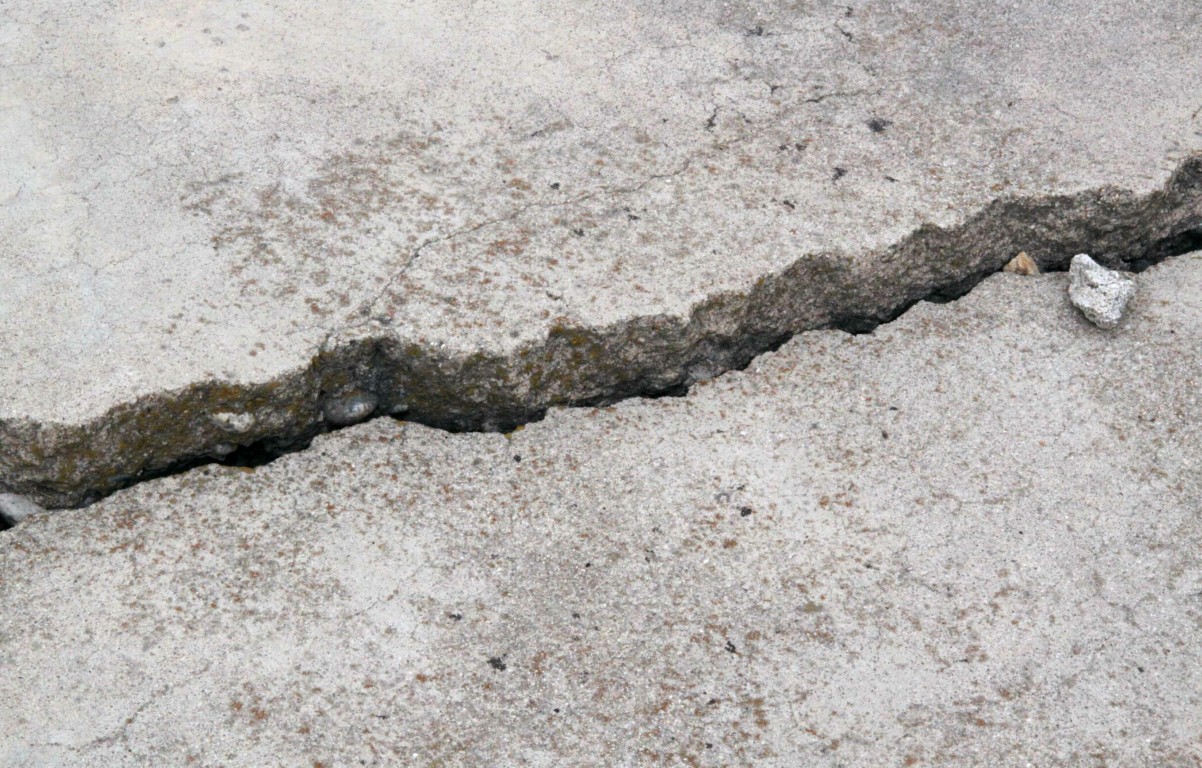
Generally speaking, if the damage affects less than 30 percent of the surface and the underlying structure is still sound, repair is usually the way to go. Minor cracks, small spalls where the surface has chipped away, and isolated damaged areas are all good candidates for repair.
We look at several factors when deciding whether to repair or replace. How extensive is the damage? Is it getting worse? What caused it in the first place? If you have multiple large cracks, significant settling, or widespread deterioration, replacement might make more sense in the long run.
Here in Owasso, we see a lot of concrete damage from our freeze-thaw cycles and from that Oklahoma clay soil shifting underneath. Sometimes the soil issue needs to be addressed before any repair will last. We always look at the root cause, not just the visible damage. There is no point patching a crack if the underlying problem will just make it come back.
Types of Concrete Repair We Handle
We fix all kinds of concrete problems. Here are the most common repair services we provide for homeowners and businesses in the area.
- Crack repair: We clean out the crack, fill it with appropriate materials, and seal it to prevent water infiltration. For structural cracks, we use epoxy injection or other methods to restore strength.
- Spalling repair: When the surface of concrete chips or flakes off, we remove the damaged material and patch it with new concrete or specialized repair compounds that bond to the old concrete.
- Settling and sinking repair: If sections of your concrete have settled or sunk, we can sometimes lift them back into place using mudjacking or polyurethane foam injection. This is much cheaper than replacement.
- Corner and edge repair: Broken corners and edges on driveways and walkways are common. We rebuild these areas to match the existing concrete.
- Surface restoration: For worn, pitted, or stained concrete, we can resurface it with a thin overlay that gives you a fresh new surface without tearing out the old concrete.
If you are dealing with uneven concrete surfaces, you might want to learn more about our specialized concrete leveling services that can raise settled slabs back to their original position.
How Concrete Replacement Works
When repair is not enough and you need to replace a section of concrete or the whole thing, here is what you can expect from the process.
First, we remove the old concrete. We use jackhammers and concrete saws to break it up and cut it into manageable pieces. Then we haul away all the debris. Depending on the size of the area, this might take a few hours or a full day.
Next, we evaluate and prepare the base. This is where we figure out what caused the problem in the first place. If the soil has eroded or settled, we excavate deeper and rebuild the base properly. We might add more gravel, compact it better, or improve drainage. Getting this right is critical so the new concrete does not end up with the same problems.
Then we build forms around the area if needed and install reinforcement. We make sure the new section will match the elevation and slope of the existing concrete. If you are only replacing part of a driveway or patio, we want the new section to blend seamlessly with what is already there.
Finally, we pour the new concrete and finish it to match the existing surface. We can match most finishes, whether it is a broom finish, smooth trowel, exposed aggregate, or even stamped patterns. After it cures, the new section should look like it has always been there.
Preventing Future Concrete Damage
Once we fix your concrete, you probably want to know how to keep it from happening again. While some damage is inevitable over time, there are things you can do to protect your investment and extend the life of your concrete.
Proper drainage is the single most important factor. Water is concrete's worst enemy. Make sure water drains away from your concrete surfaces. Clean out gutters and downspouts. Fix low spots where water pools. If you see standing water on your concrete, figure out why and fix it.
Seal your concrete every few years. A good sealer protects against moisture penetration, freeze-thaw damage, and staining. It is cheap insurance that can add years to your concrete's life. We recommend resealing every 2 to 3 years here in Oklahoma.
Be careful with deicing chemicals in winter. Salt and some chemical deicers can damage concrete surfaces. If you need to use something, choose products labeled safe for concrete. Better yet, use sand for traction instead of chemicals when possible.
Address small problems quickly. A hairline crack is easy to seal. But if you ignore it, water gets in, freezes and expands, and turns that hairline crack into a major problem. Fixing small issues as they come up saves you money in the long run.
Thinking about new concrete installation instead of repair? Check out our concrete patio services or browse our other offerings from the homepage to see all the options available.
Common Questions About Concrete Repair
Here are answers to questions we get all the time about fixing damaged concrete.
Do not let damaged concrete bring down your property's appearance or value. Most problems are fixable, and we can help you figure out the best solution.
Get in touch with us for a free inspection and estimate. We will take a look at your concrete, explain what is going on, and give you honest recommendations about repair or replacement.